
Gaziantep, Türkiye · Group headquarters

Connected expertise, from planning to delivery

Nexus Group International brings institutional, technical and field-oriented capabilities into one coordinated group, headquartered in Gaziantep, Türkiye.

CanadaGhanaGaziantep HQSyria · Jordan · Lebanon · Iraq
  • 1Headquarters
  • 6Branch countries
  • 4Capability areas

The Group

Introducing Nexus Group International

Nexus Group International brings institutional, technical and field-oriented capabilities into one coordinated group. From its headquarters in Gaziantep, Türkiye, the Group links central planning with branch-level activity in Syria, Jordan, Canada, Ghana, Lebanon and Iraq. This structure allows specialist teams to consider both the overall objective and the conditions in which work is carried out.

The Group’s four areas of capability are training and capacity building, software and digital solutions, logistics and field operations, and construction, fit-out and interior design. Together they address needs that often arise side by side: developing people and institutions, organizing information, moving resources, and preparing the spaces in which services are delivered.

A connected group for complex needs

Nexus’s operating model connects strategic direction, specialist expertise and local coordination. Headquarters sets the group-wide framework, while branch functions respond to the needs of institutions, civil-society organizations, development and humanitarian operations, and commercial clients across different locations.

  • Four capability areas

    Training, digital systems, logistics and construction each contribute a distinct technical perspective.

  • One headquarters

    Gaziantep provides the Group’s central management and coordination point.

  • Six branch countries

    Syria, Jordan, Canada, Ghana, Lebanon and Iraq extend the network’s regional reach.

Operating model

From strategic direction to field delivery

The Group describes a centralized framework for policy, planning and coordination, with specialist teams responsible for their disciplines and country-level functions that bring local context into the work. This gives an assignment a clear organizational path from initial need to technical planning and practical implementation.

  1. Strategic direction

    Group policy, finance, major partnerships and cross-sector coordination are led from headquarters.

  2. Specialist capabilities

    Training, software, logistics and construction teams contribute discipline-specific expertise.

  3. Regional execution

    Branch functions connect coordinated plans to institutional relationships and operational needs in each country.

A framework for coordinated work

Gaziantep headquarters provides the management center for the Group. Its described functions include strategy, policy, planning, finance, major partnerships, and coordination of operations, institutional development and digital transformation. Country-level functions can then convey local priorities and help align the relevant specialist teams.

The Group emphasizes quality, transparency, responsiveness and clarity of roles as operating priorities. In practical terms, these priorities call for understanding the requirement, defining responsibilities, selecting suitable expertise and keeping communication open between planning and implementation. They are statements of approach, not claims of an external certification.

  • Quality
  • Transparency
  • Responsiveness
  • Clarity of roles

Network

A regional and international footprint

The Group’s headquarters is in Gaziantep, Türkiye. Its branch network spans Syria, Jordan, Canada, Ghana, Lebanon and Iraq. The offices and country functions have different roles: some emphasize institutional relationships or advisory work, while others connect development activity, technical services and field operations.

This network is more useful when understood as a set of complementary functions than as six identical offices.

A connected geographic network

Gaziantep anchors strategic direction for the Group. Six branch countries extend its advisory, technical and operational reach. The overview map shows the full geographic span, while the regional detail clarifies the neighboring branches in the Eastern Mediterranean and Iraq.

Gaziantep HQSyriaLebanonJordanIraq
CanadaGhanaGaziantep HQ

Roles by country

These roles are not interchangeable. Each contributes a different relationship, capability or operational perspective to the wider network.

Global headquarters

  • Gaziantep, Türkiye

    Aerial view of Gaziantep at night with high-rise towers and city lights

    Gaziantep, home of the Group’s headquarters.

Branch countries

  • Syria

    Field-oriented functions that depend on coordination between people, materials, technical teams and the institutions involved. Areas within the branch’s field context include Idlib, Hama, Latakia, Aleppo, Deir ez-Zor and Raqqa.

  • Jordan

    Advisory programs in the Levant, institutional capacity building for civil-society organizations, and coordination of humanitarian partnerships. It provides a regional connection between organizational needs and relevant expertise across the Group.

  • Lebanon

    Specialized training, administrative consulting and logistics support for institutions, businesses and civil-society organizations. This mix connects knowledge-building with organizational and operational support.

  • Canada

    Institutional and donor relations in North America, with links to technical and software innovation.

  • Ghana

    Development activity, regional logistics, and engineering and training consultancy in an African market context.

  • Iraq

    Community development, engineering and construction, software solutions and logistical support suited to local institutional needs.

Capabilities

Four complementary capabilities

The appropriate combination depends on a client’s actual requirements and the agreed scope of work.

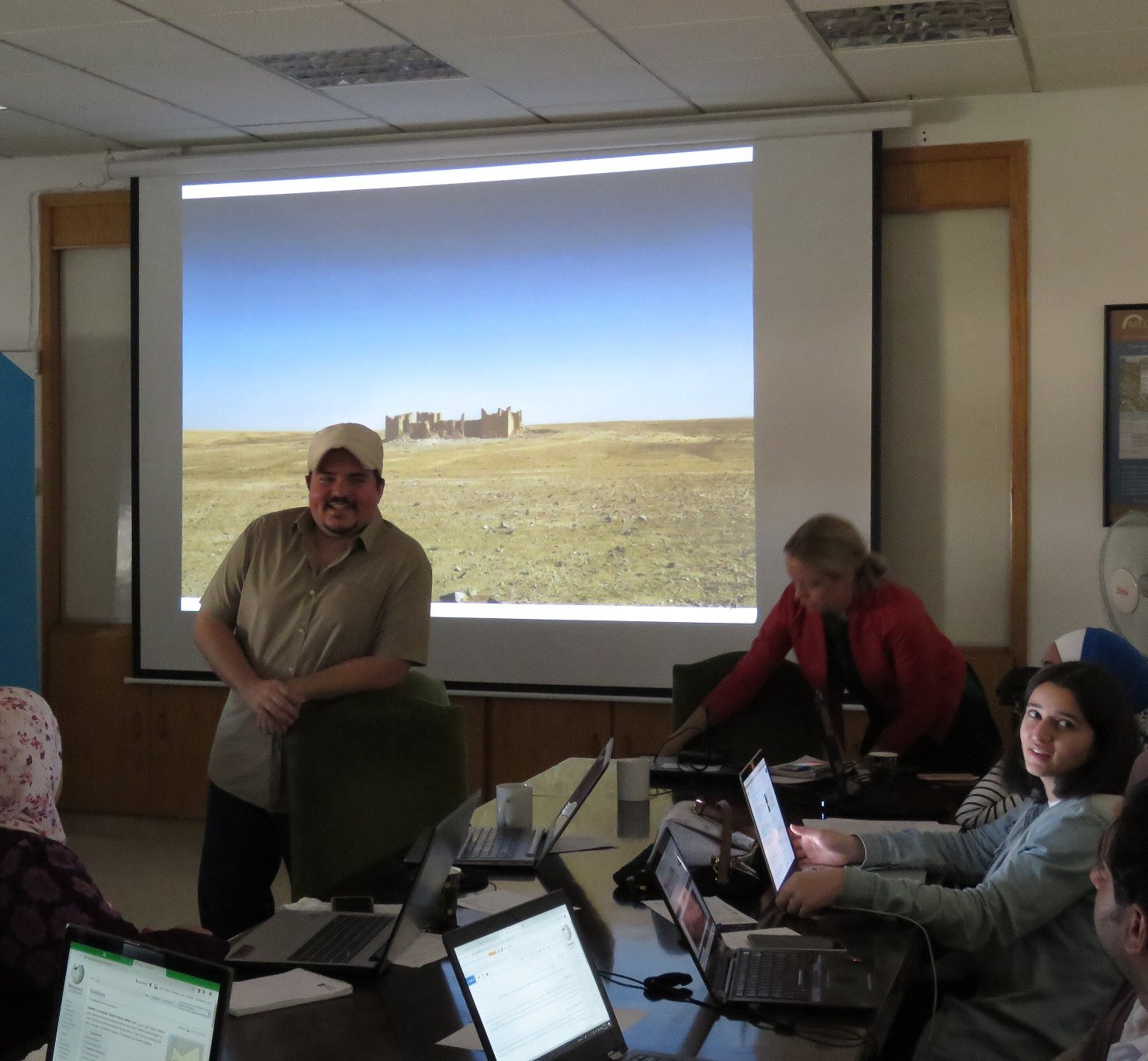
A trainer presenting to adult participants working on laptops during a training workshop in Amman, Jordan

Training and capacity building

Capacity building focuses on the people, structures and working practices that enable institutions to function effectively. Within the Group, this area is described through advisory and training functions distributed across several regional branches.

The Group’s training capability is therefore best understood as a way to connect institutional needs with appropriate specialist input.

Regional applications of capacity building

Across these settings, a practical starting point is to understand the institution’s purpose, team, audience and work environment before defining the relevant subject matter and form of support. The regional functions allow training and advisory work to be considered in context.

Jordan
Advisory programs and institutional capacity building for civil-society organizations in the Levant.
Lebanon
Specialized training and administrative consulting for institutions, businesses and community organizations.
Ghana
Engineering and training consultancy connected to development and regional operational needs.

Training and capacity-building network

Organizations named in this capability area are presented with their supplied brand marks.
  • Change Makers Organization
  • Suriana
  • Rouya
  • EPISA
  • SYCAC
  • Rosemary Organization
  • Salam Insani
  • HOPE Youth Team
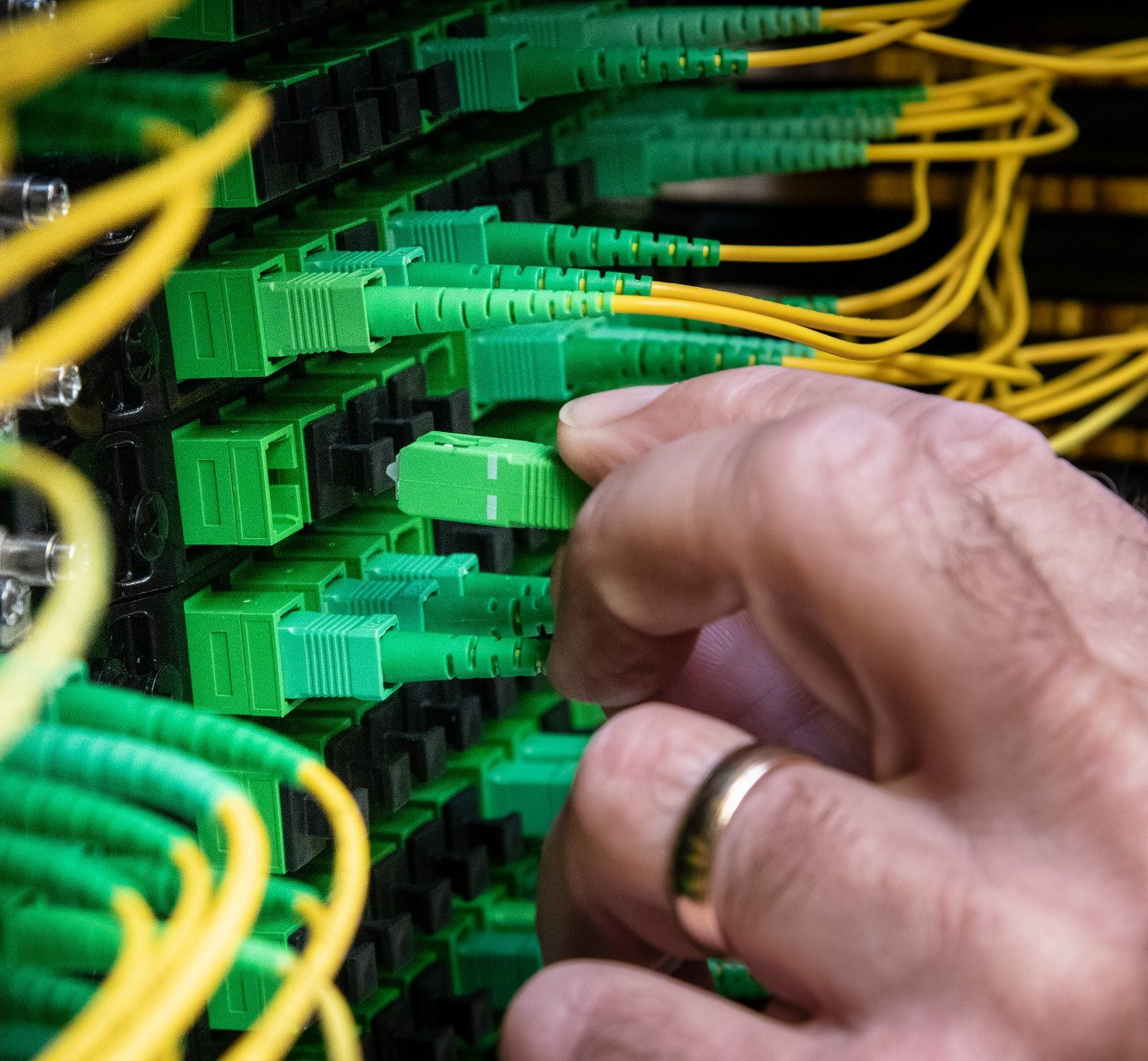
A technician's hand plugging a green fibre-optic cable into a network cabinet full of patch cables

Software and digital solutions

Useful digital systems begin with an understanding of the work they need to support. The Group’s digital arm covers tailored web and mobile applications, workflow automation, cloud and database design, technical assessment and continuing system support. The objective is to connect information and processes in a way that fits the organization’s requirements.

The right technical approach depends on users, existing systems, information flows and the agreed scope.

From requirements to usable systems

Custom applications
Web and mobile systems designed around organizational workflows, users and information needs.
Workflow automation
Connected steps that reduce repetitive transfers of information between teams and tools where appropriate.
Data and cloud architecture
Database design and cloud planning informed by current systems, access needs and operational continuity.
Technical advisory
Assessment of systems, infrastructure and integration options before implementation.
Maintenance and support
Updates, troubleshooting and data-security considerations within an agreed service scope.

Practical digital applications

Each benefits from clear ownership of information, understandable user journeys and a system design that reflects the institution’s daily work rather than an abstract technology list.

  • Firat Kartal Group
  • Nexa Plus
  • Ward Al Balad
  • Sun Group

Each collaboration is defined by the organization’s needs, the agreed scope and the local context.

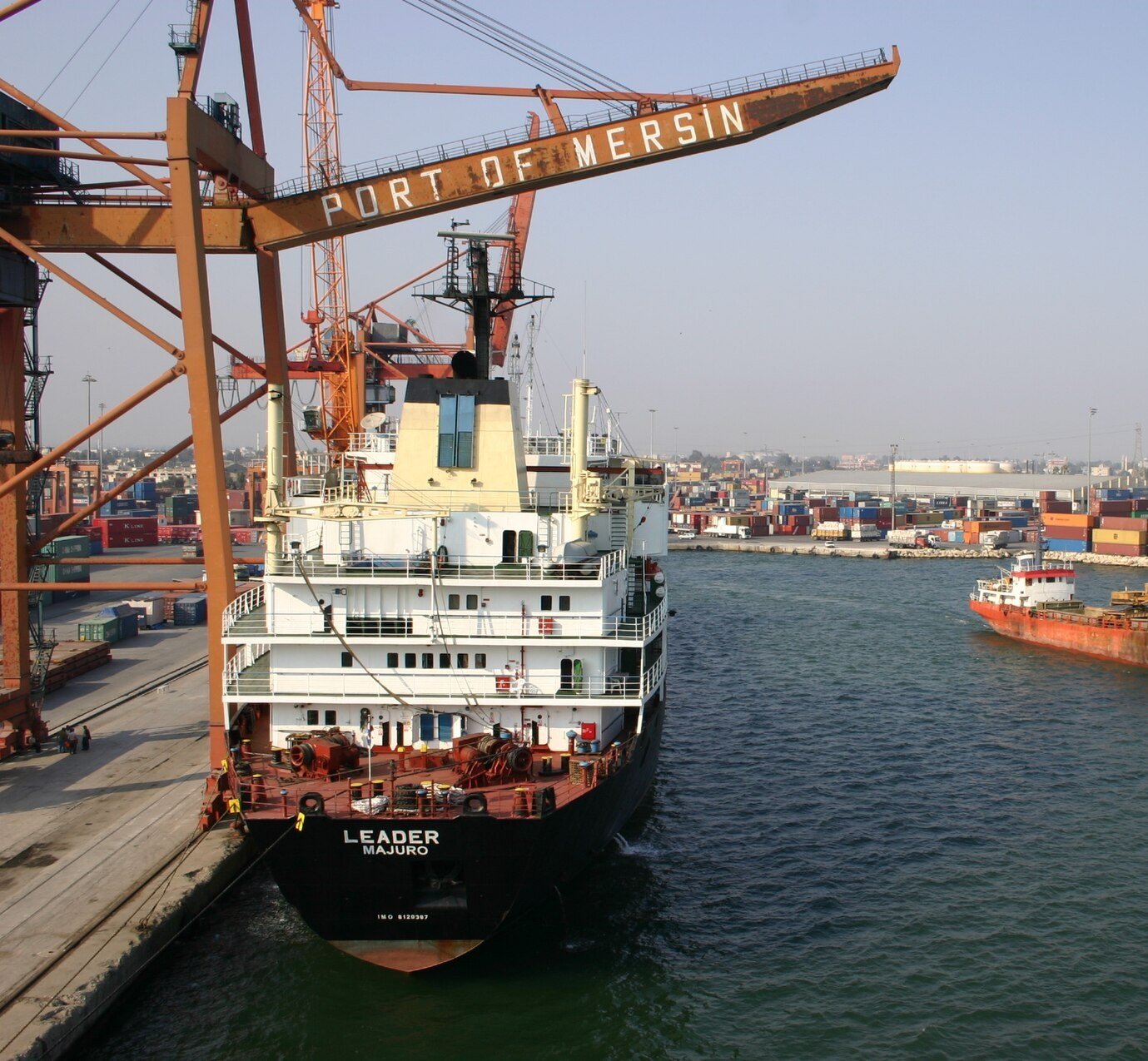
A cargo ship alongside the quay beneath the cranes of the Port of Mersin, Türkiye, with stacked containers behind it

Logistics and field operations

Logistics connects sourcing, transport, storage and information. The Group’s logistics arm encompasses procurement, contract coordination, commercial and specialized fleet needs, warehousing, inventory oversight and operational support for field teams. These services are relevant to humanitarian and development activity as well as commercial operations.

The purpose of coordinating these functions is to keep requirements, material movements and records visible to the teams making decisions. A logistics assignment may involve only part of this scope; services should be defined around the actual route, materials, timing and operating conditions.

From sourcing to field support

Procurement and contracting
Define needs and coordinate local, regional or international sourcing and supplier arrangements.
Transport and fleet
Match commercial, heavy or specialized vehicles to the movement required by an operation.
Warehousing
Organize receipt, classification, storage and dispatch of materials.
Inventory control
Maintain records and oversight of stock movement, including digital tools where appropriate.
Field support
Connect supply-chain activity to the needs of humanitarian, development or commercial teams.

Logistics partner network

Organizations named in this capability area are presented with their supplied brand marks.

  • Olive Branch
  • Bonyan
  • Rouya
  • Zamzam
  • Qatar Red Crescent
  • Qatar Charity
  • International Development Association
Tower cranes rising above buildings under construction in Beirut, Lebanon

Construction, fit-out and interior design

The Group’s construction capability spans the work required to plan, create and improve built environments. Its described scope includes engineering studies, execution drawings, structural work, rehabilitation, interior concepts and finishing details. This activity connects with residential, commercial and institutional settings, including service, education and health facilities.

Considering design and execution together helps clarify how a space will be used, maintained and adapted. Actual technical responsibilities, local approvals and delivery requirements depend on the project’s location and agreed brief.

Built-work services in detail

Engineering planning
Studies, execution drawings and structural design for the requirements of a site and brief.
Interior concepts
Space planning, furniture layouts and 3D visualization to support design decisions.
Construction work
Building execution and core structural installations within the defined scope.
Rehabilitation
Improvement of existing service, education, health and other facilities where required.
Fit-out and finishes
Flooring, painting, ceilings, lighting and architectural details that complete a functional interior.

Spaces designed for their purpose

Needs differ between a residence, a commercial premise and a community-serving facility.

  • International Development Association
  • Qatar Red Crescent
  • Qatar Charity

Each collaboration is defined by the organization’s needs, the agreed scope and the local context.

Nexus Grants & Opportunities

Grants and opportunities that back your work

A free platform that brings grants, tenders and jobs for humanitarian organizations into one list, so the right opportunity is easier to find and to act on before it closes.

  • Search by topic, country and sector
  • Save the opportunities that matter to you
  • Choose the topics you want to follow

Explore grants and opportunities Early preview

Scope

Connected capabilities, clear scope

The four areas of the Group can be considered together where an institution’s needs overlap. A capacity-building assignment may have a digital workflow component; a field operation may require logistics and the preparation of physical spaces. The value of the group structure is that related needs can be considered within one coordinated conversation before the right scope and responsibilities are set.

The Group’s headquarters and country-level functions provide a way to connect strategic objectives with specialist input and regional context. The exact combination of services, partners and locations should be agreed for each engagement rather than assumed from the profile alone.

Discuss your organization’s needs

Contact

Discuss your organization’s needs and the appropriate scope of work with Nexus Group International.

Telephone
+90 511 364 795
Telephone
+963 959 556 526